Responsible firearm ownership involves more than safe handling and secure storage. Keeping important information organized can also make ownership easier to manage over time.
Owners may accumulate documents such as purchase records, manufacturer information, manuals, maintenance notes, transfer paperwork, and other important records. Keeping these materials organized can make it easier to find information when it is needed and can help owners maintain a clear history of their equipment.
Here are a few practical reasons why organized records can be valuable.
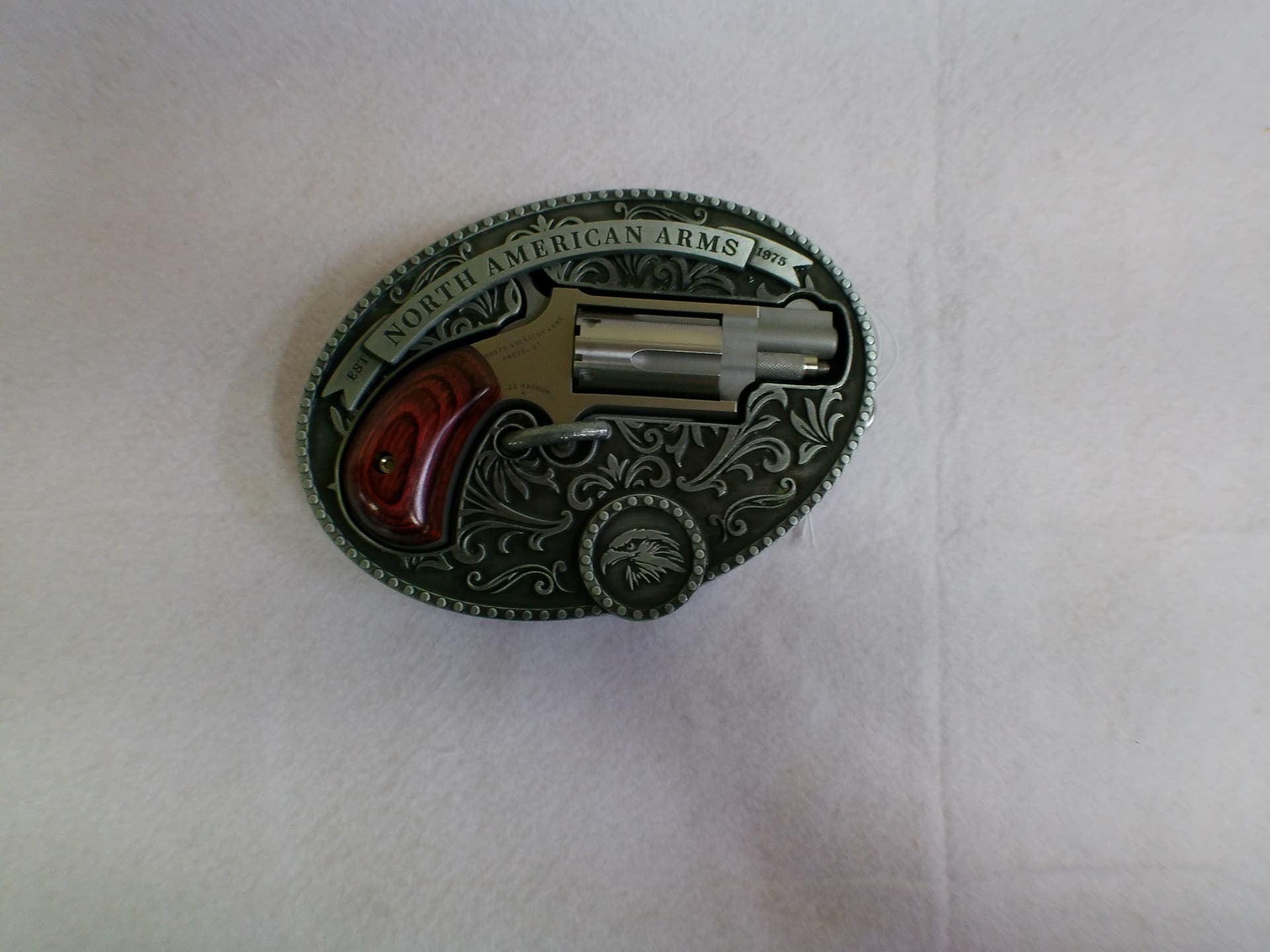
Keep Important Purchase Information Together
When acquiring a firearm through a lawful transaction, owners may receive documentation related to the purchase or transfer.
Rather than allowing these papers to become scattered, consider keeping important documents together in a secure location.
Depending on the situation, records may include:
- Purchase receipts
- Transfer documentation
- Manufacturer information
- Owner's manuals
- Warranty information
- Documentation provided by a licensed dealer
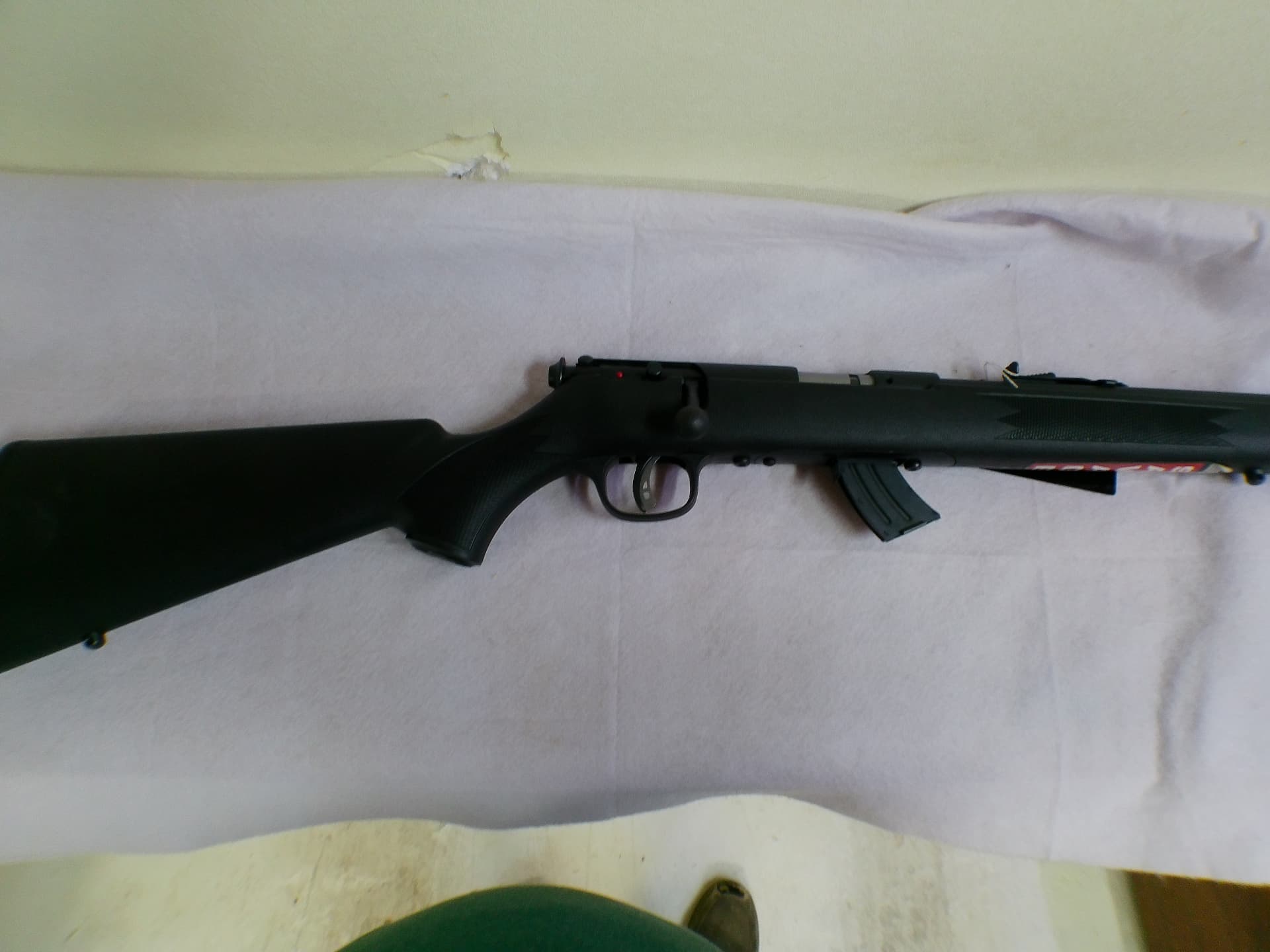
Keeping these records organized can make future reference much easier.
Keep Manufacturer Information Accessible
Firearm manufacturers provide important information about their products, including operating instructions, maintenance recommendations, safety information, and specifications.
An owner's manual should be retained whenever possible. If the original manual is misplaced, owners may be able to obtain replacement documentation directly from the manufacturer.
Having the correct documentation available is particularly useful when an owner has questions about maintenance, storage, or the proper handling of a specific firearm.
Maintain a Basic Maintenance History
Routine maintenance is an important part of responsible ownership.
Owners can consider keeping a simple record of when maintenance was performed and whether any concerns were identified. This does not need to be complicated.
A basic maintenance log might include:
- Date of maintenance
- Firearm identification information
- General maintenance performed
- Parts or accessories replaced
- Any concerns noticed
- Professional service received
Following the manufacturer's recommendations should always take priority over an informal maintenance schedule.
If a firearm develops a mechanical problem or an owner is uncertain about its condition, seeking assistance from a qualified professional is preferable to attempting an unfamiliar repair.
Understand What Information Should Remain Private
Organization should also include protecting personal information.
Documents related to firearm ownership may contain names, addresses, transaction details, or other sensitive information. These records should be stored securely and should not be unnecessarily shared online or with people who do not have a legitimate reason to access them.
Digital copies should also be protected with appropriate account security and access controls.
The goal is to keep useful documentation available without unnecessarily exposing private information.
Keep Legal Requirements in Mind
Firearm laws and recordkeeping requirements can vary depending on the circumstances and jurisdiction.
Owners should not assume that the rules applying to one transaction, state, or situation automatically apply to another.
When questions involve legal requirements, transfers, transportation, or other regulated activities, consult current official guidance or a qualified professional rather than relying on outdated information.
Staying informed is an important part of responsible ownership.
Organize Records Separately From the Firearm
Keeping documentation organized does not mean storing paperwork in an unsecured location alongside the firearm.
Owners should consider the security of both physical and digital records. Important documents can be kept in a secure location that protects them from unauthorized access, damage, or loss.
A simple organizational system can make it easier to locate information without compromising household security.
Review Your Records Periodically
Records can become outdated as circumstances change.
For example, an owner may move to a new address, receive updated manufacturer documentation, have professional maintenance performed, or change how equipment is stored.
Taking a few minutes periodically to review important records can help ensure that information remains accurate and useful.
This can be especially helpful for owners who have multiple firearms or have owned their equipment for many years.
Responsible Ownership Includes Good Organization
Safe storage, careful handling, training, and maintenance are all important parts of responsible firearm ownership. Keeping documentation organized is another small habit that can make ownership more manageable.
Good records can help owners find manufacturer information, keep track of maintenance, protect important documents, and approach future purchases, transfers, and servicing with confidence.